
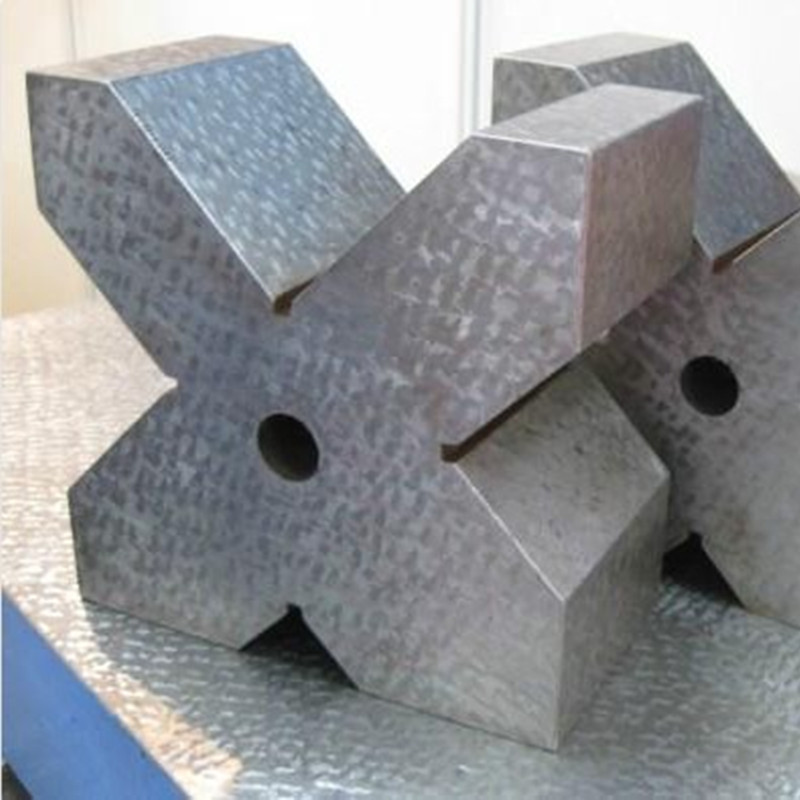
low iron glazing
How to Adjust a Water Pressure Reducing Valve A water pressure reducing valve (PRV) is a critical component in plumbing systems, particularly in areas where the municipal water supply pressure is too high. These valves help to regulate and lower the incoming water pressure to a safe and manageable level. Adjusting a PRV can improve the performance of your plumbing fixtures, extend the lifespan of your appliances, and enhance water efficiency. Here’s a step-by-step guide on how to adjust a water pressure reducing valve effectively. Understanding the Valve Before you begin the adjustment, it’s essential to understand how a PRV works. The valve typically has an adjustment screw or knob that controls the spring mechanism inside. This mechanism regulates the pressure of the water that passes through the valve. Tools You’ll Need - Adjustable wrench or pliers - Pressure gauge (for accurate measurements) - Screwdriver Step 1 Check the Current Pressure Before making any adjustments, you should determine the current water pressure in your system. To do this, attach a pressure gauge to an outdoor faucet or any other accessible water outlet. Turn on the water and note the pressure reading. The ideal household water pressure usually ranges between 40 to 60 psi (pounds per square inch). Step 2 Locate the PRV Identify the location of your PRV. It’s typically found near the main water supply line, often close to the water meter. The valve may look like a bell-shaped device or a cylindrical body. how to adjust water pressure reducing valve Step 3 Make Adjustments Once you have located the PRV and noted the current pressure, you can proceed with the adjustment 1. Loosen the Lock Nut If your PRV has a lock nut, use your adjustable wrench to loosen it, allowing you to turn the adjustment screw comfortably. 2. Adjust the Screw To increase the water pressure, turn the adjustment screw clockwise. To decrease the pressure, turn it counterclockwise. Make small adjustments (about a quarter turn) and re-check the pressure after each adjustment using the pressure gauge. 3. Recheck Pressure After making your adjustments, turn on a few faucets in your home to allow the system to stabilize. Take another reading with the pressure gauge to ensure the pressure is within your desired range. Step 4 Secure the Adjustment Once you have achieved the desired pressure, remember to tighten the lock nut on the PRV to keep the adjustment secure. Conclusion Adjusting a water pressure reducing valve is a straightforward process that can greatly benefit your plumbing system. By ensuring that you maintain an appropriate water pressure, you can optimize the efficiency of your plumbing fixtures and appliances. Regular checks and adjustments can help prevent leaks and damage, ensuring a longer lifespan for your plumbing system. If you encounter persistent issues or are unsure about the adjustments, don’t hesitate to consult a professional plumber for assistance.
about
low iron glazing
Understanding Square Knife Gate Valves Overview and Applications Knife gate valves have been integral components in various industrial applications for decades, and the square knife gate valve is a unique variant boasting specific advantages. Designed for robust service, these valves are primarily used in managing the flow of liquids and slurries within pipelines, especially in environments involving thick, viscous materials. What is a Square Knife Gate Valve? A square knife gate valve features a rectangular or square-shaped body and a gate that resembles a knife. This design enables it to slice through materials effectively, making it ideal for applications involving semi-solid substances, such as slurries, pulp, and bulk materials. The gate's shape allows for a better fit and sealing, minimizing leakage concerns that often arise in traditional round gate valves. The construction of the square knife gate valve typically includes a robust body designed to withstand high pressures and harsh environmental conditions. Various materials such as stainless steel, cast iron, and plastic composites can be used, depending on the application requirements. The choice of materials not only impacts the valve’s durability but also its compatibility with different substances being processed. Advantages of Square Knife Gate Valves 1. Efficient Flow Control The knife-like edge of the gate allows for quick and efficient throttling of fluid flow. This feature is particularly valuable in scenarios where rapid shut-off or flow regulation is necessary. 2. Reduced Wear and Tear Unlike traditional valves, which can suffer from wear due to turbulence created by the fluid, square knife gate valves create less disturbance in the flow, thereby extending the lifespan of the valve. square knife gate valve 3. Versatility These valves can handle a wide range of materials, including those that are abrasive or contain solid particles. This makes them suitable for diverse industries, from wastewater treatment to mining operations. 4. Easy Maintenance The design of square knife gate valves facilitates easy access to internal components, making maintenance straightforward. Regular inspections and minor repairs can typically be conducted without the need for extensive downtime. Applications Square knife gate valves are employed in several industries, each with unique demands and operational environments. Their primary applications include - Pulp and Paper Industries These sectors utilize knife gate valves to manage thick slurries of wood pulp, ensuring minimal clogging and efficient material flow. - Mining and Mineral Processing In mining operations, these valves handle slurries containing high solids loads, allowing for effective separation processes. - Water and Wastewater Treatment In treatment plants, square knife gate valves facilitate the control of water flow, helping to manage sediment and sludge removal. - Food Processing In the food industry, where hygiene is paramount, these valves are designed to meet stringent cleanliness standards while efficiently managing viscous food products. Conclusion Square knife gate valves represent a crucial advancement in valve technology, providing industries with solutions tailored to specific operational challenges. Their unique design and functionality make them indispensable in applications where durability, efficiency, and ease of maintenance are paramount. As industries continue to evolve, the demand for specialized valves like the square knife gate valve will likely increase, making it essential for engineers and operators to remain informed about their benefits and applications. Understanding these valves not only enhances operational efficiencies but also promotes safety and reliability across various industrial processes.
-

High quality industrial productsagement

High quality industrial products
View Details -

Meet the diverse needs of customers

Meet the diverse needs of customers
View Details -

Strict quality control

Strict quality control
View Details -

Top raw materials

Top raw materials
View Details -

Trusted supplier

Trusted supplier
View Details
Our application

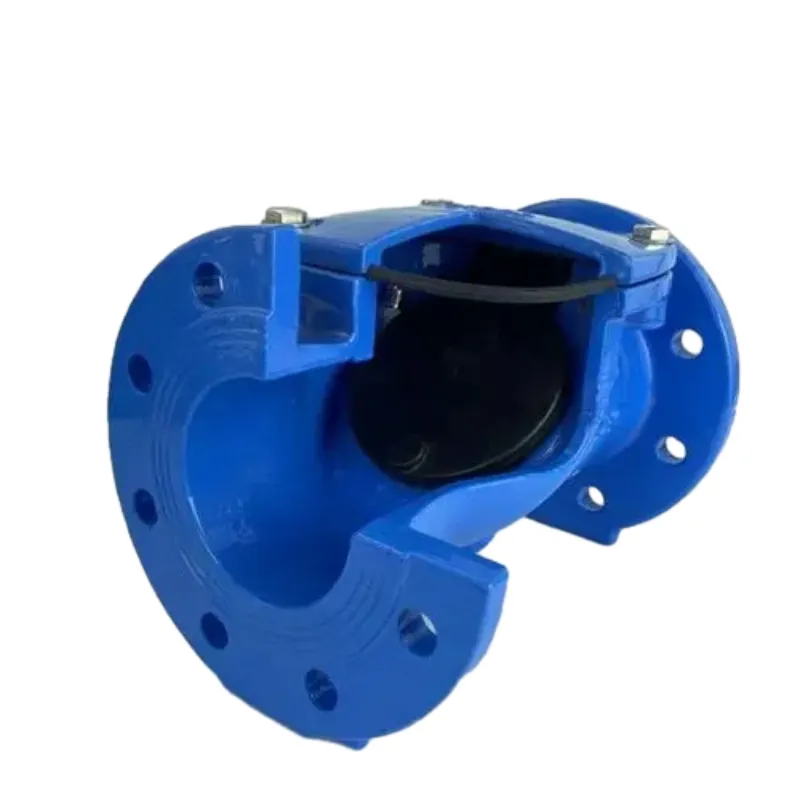


news and information
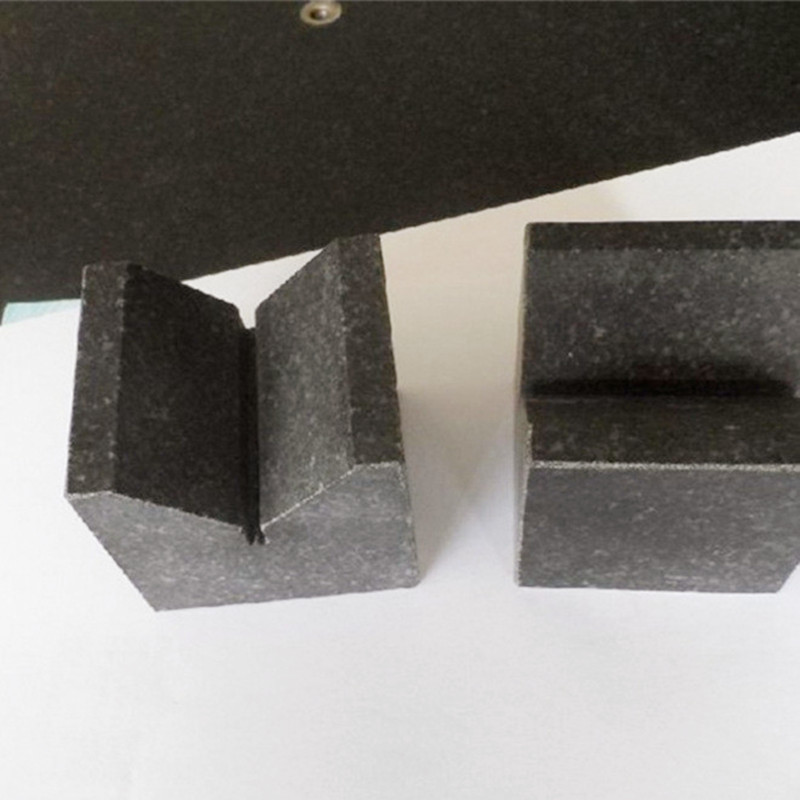
v blocks for machining
V Blocks for Machining An Essential Tool for Precision Engineering In the realm of precision machin
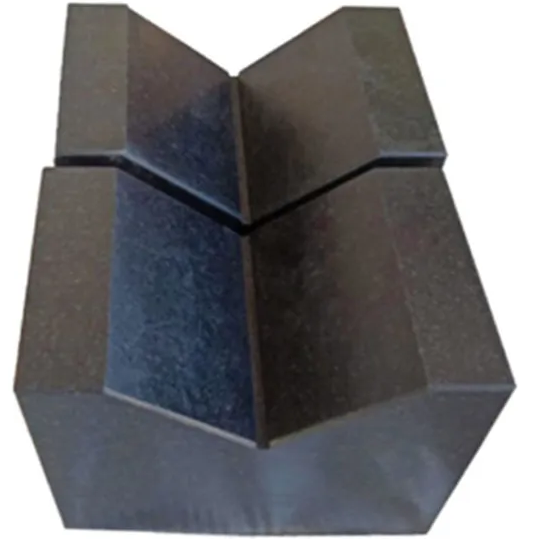
Using Taper Plug Gauge for Precision Inspection and Measurement in Manufacturing Processes
Understanding Taper Plug Gauges Their Purpose and Application in Quality Control Taper plug gauges a
Verificación de roscas con calibres Go y No Go en mediciones de calidad
Uso de calibres de rosca tipo Go y No-Go en la industria En la fabricación y mantenimiento de compon
 English